Market town
The Bazaar & the Land
Jowar, cotton, soybean and pulses feed a weekly bazaar that draws buyers from dozens of villages — Jamb and Pala among the largest. Market day is when the whole taluka comes to town.
Nanded District · Marathwada · Maharashtra
Mohanavati Nagar — the enchanting town. Festivals, news, pictures and heritage, all in one place.
Long before it was Mukhed, this place on the Marathwada plateau was Mohanavati Nagar — a name drawn from mohana, to bewitch. Native tradition holds that the town was so beguiling that travellers who reached its gates could never quite bring themselves to leave. The old name has faded into record; the reputation, residents will tell you, has not.
Set in the upper basin of the Manjra river, Mukhed grew as a market-and-temple town at the centre of a fertile agricultural belt. Its Chalukya-era shrines — chief among them the twelfth-century Mahadev Mandir — mark it as a place continuously settled for close to a thousand years. Today it is the administrative seat of Mukhed taluka in Nanded district. Its people are the Mukhedkars, and Marathi is the language of the street, the market and the temple courtyard alike.
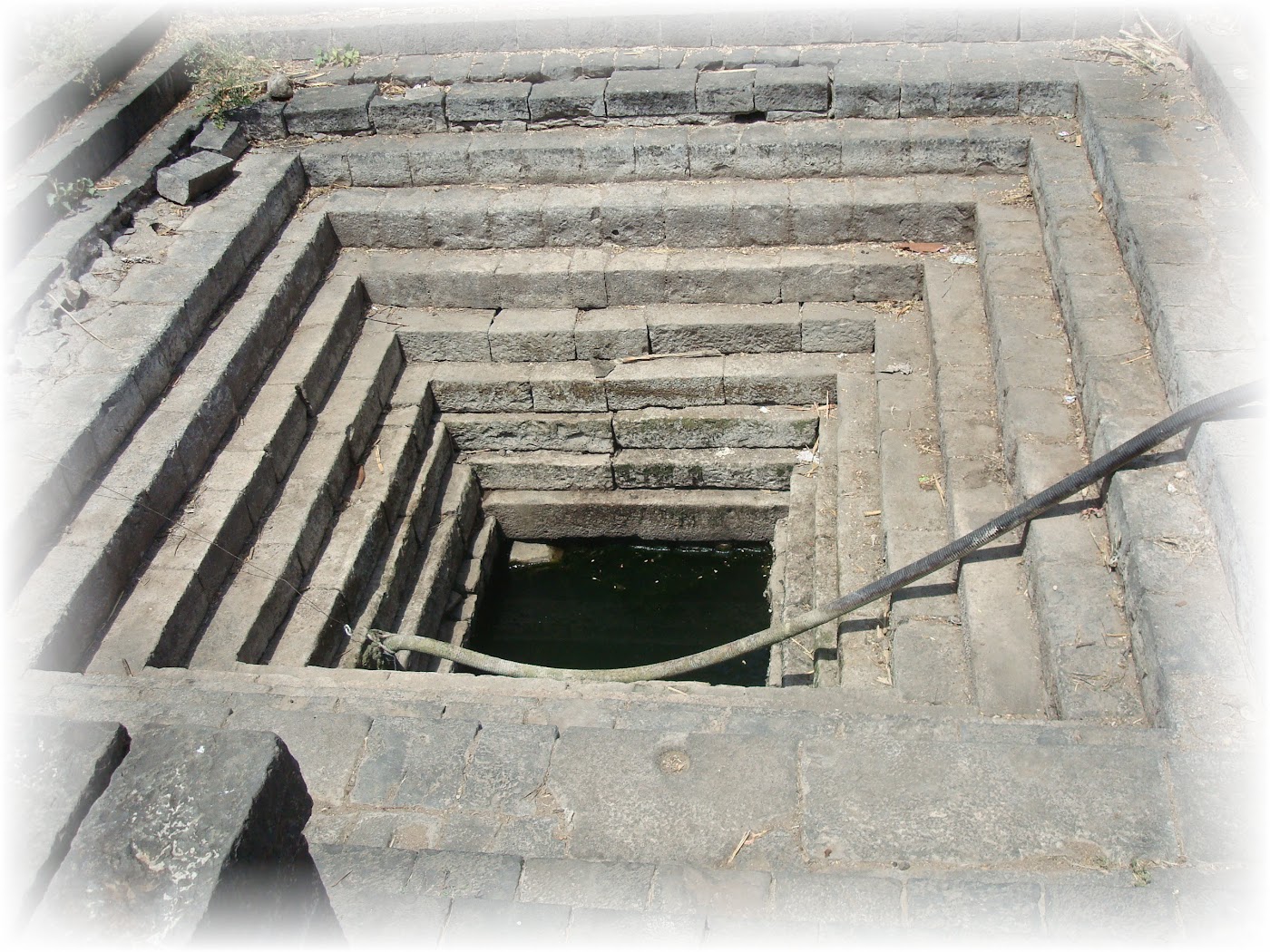
The town also carries an older thread from the Ramayana. Local tradition holds that King Dashratha — father of Lord Rama — accidentally killed the devoted Shravan Bal near a lake here, mistaking him for game while the young man drew water for his blind parents. Shravan's grieving parents cursed Dashratha to one day die in the same sorrow of separation from a son — a curse that centuries later found its way into the epic itself. The lake is still known as Shrawan Chalma, and the same legend has been tied for centuries to the grounds around Mahadev Mandir, at the town's centre.
Temples older than the town's modern name — all temples → · full history →
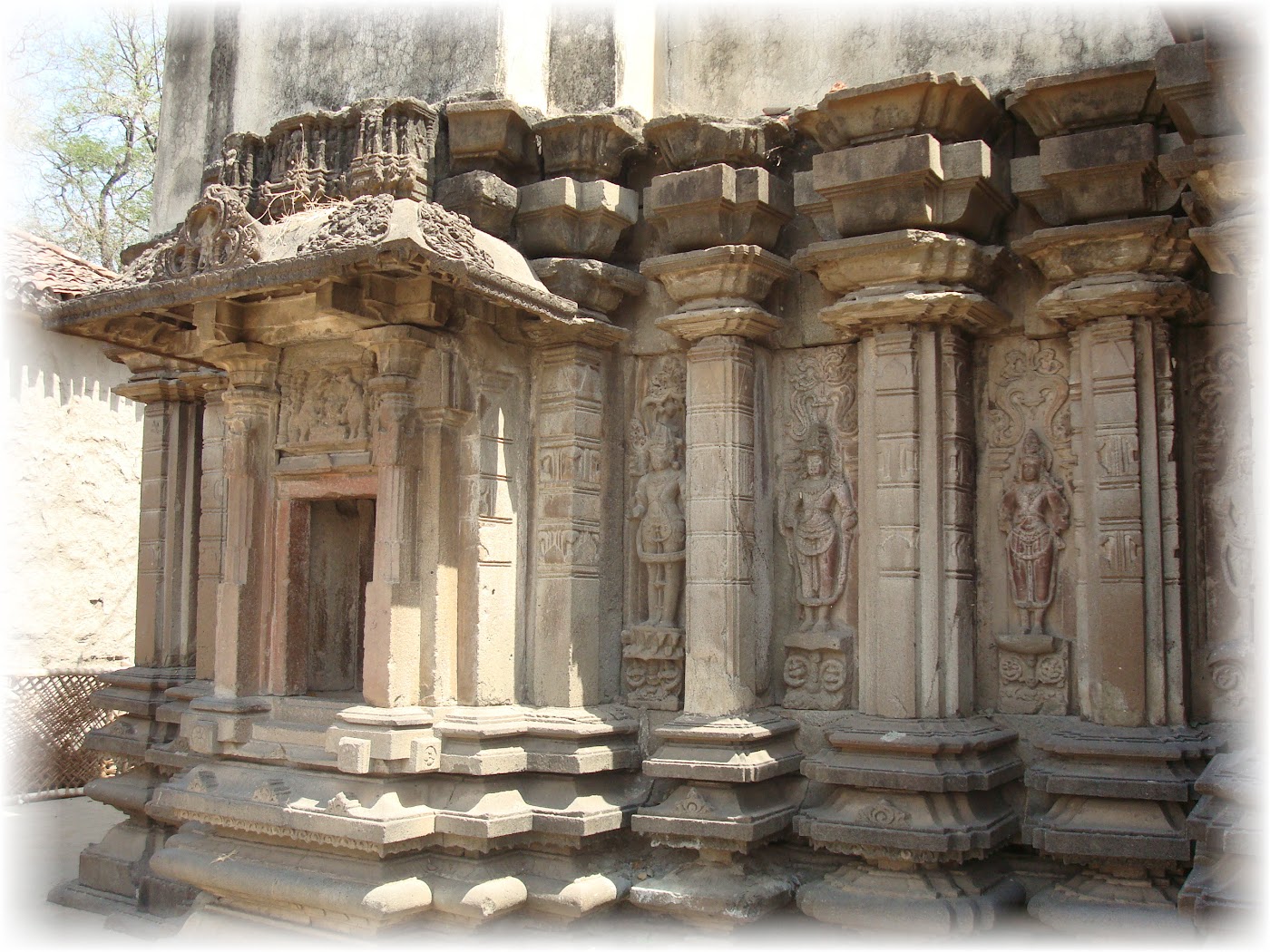
Raised during the reign of Vikramaditya of the Kalyani Chalukyas, this is the oldest standing landmark in Mukhed — a working temple whose stone is older than the town's own name.
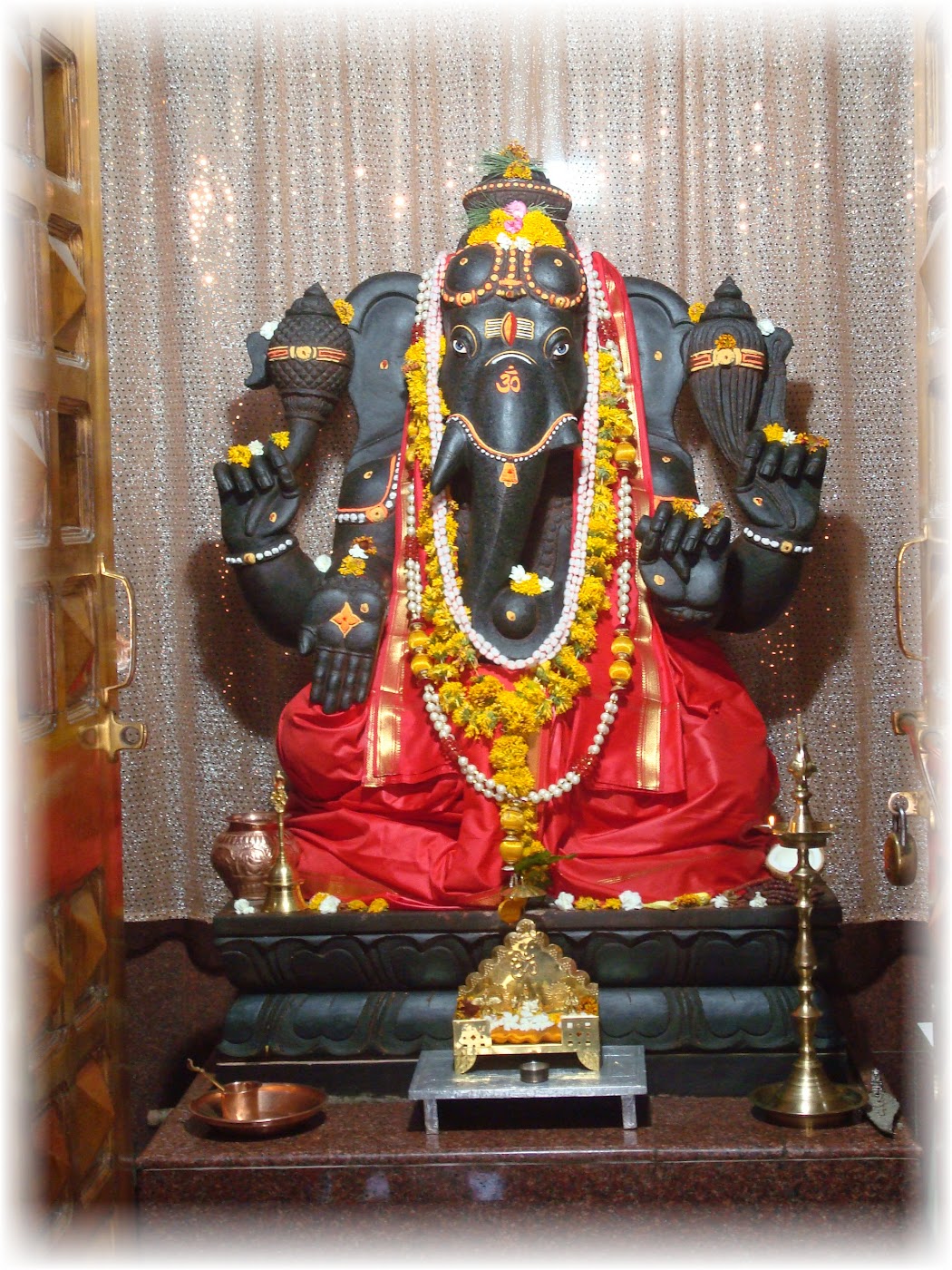
Dedicated to Veerbhadra, a fierce aspect of Shiva and the town's guardian deity. It anchors Mukhed's biggest festival — the Veerbhadra Yatra — when processions and a great fair fill the streets.
Jowar, cotton, soybean and pulses feed a weekly bazaar that draws buyers from dozens of villages — Jamb and Pala among the largest. Market day is when the whole taluka comes to town.
Photos from the town, and the colour of Maharashtra's festivals

Agriculture, the bazaar & the taluka trade
Like much of Marathwada, Mukhed's economy rests on the land. The taluka's black-soil fields carry jowar, cotton, soybean and pulses through the kharif season, with irrigated pockets supporting sugarcane, sweet lime and seasonal fruit. Agriculture sets the rhythm of the year, and the monsoon is the single fact on which the season turns.
Around that farming base has grown the trade a taluka headquarters requires. Mukhed hosts the offices, banks, schools and shops the surrounding villages depend on — and the weekly bazaar remains the commercial heartbeat.
Jowar, cotton, soybean & pulses.
Trade from dozens of villages.
The reference residents & visitors look up most — business & services directory →
Mukhed is run by its Municipal Council and is the headquarters of Mukhed taluka. The council oversees sanitation, water supply, roads and public works.
The town anchors the taluka's schools and junior colleges. For higher study, Nanded's Swami Ramanand Teerth Marathwada University (est. 1994) is the regional hub.
~75 km from Nanded via Narsi–Naigaon–Kandhar; about 90 min by state bus.
Hazur Sahib Nanded is the nearest major railhead.
Shri Guru Gobind Singh Ji Airport, Nanded.
Wikipedia's page on Mukhed is a few lines of census data. This site goes further — a festival calendar that updates itself daily instead of going stale, real named local banks and offices instead of generic descriptions, and pages written specifically for this town rather than templated from a district-wide article.
The festival countdown, weather and news are live and re-checked — not a page frozen in whatever year it was last edited.
Bank branches, government offices and schools are named because we checked they exist — see the business directory and schools page.
Bus timings, market days, local produce and festival specifics a general encyclopedia entry won't cover.